Migrating to Flutter: A CTO’s Guide to Incremental Adoption
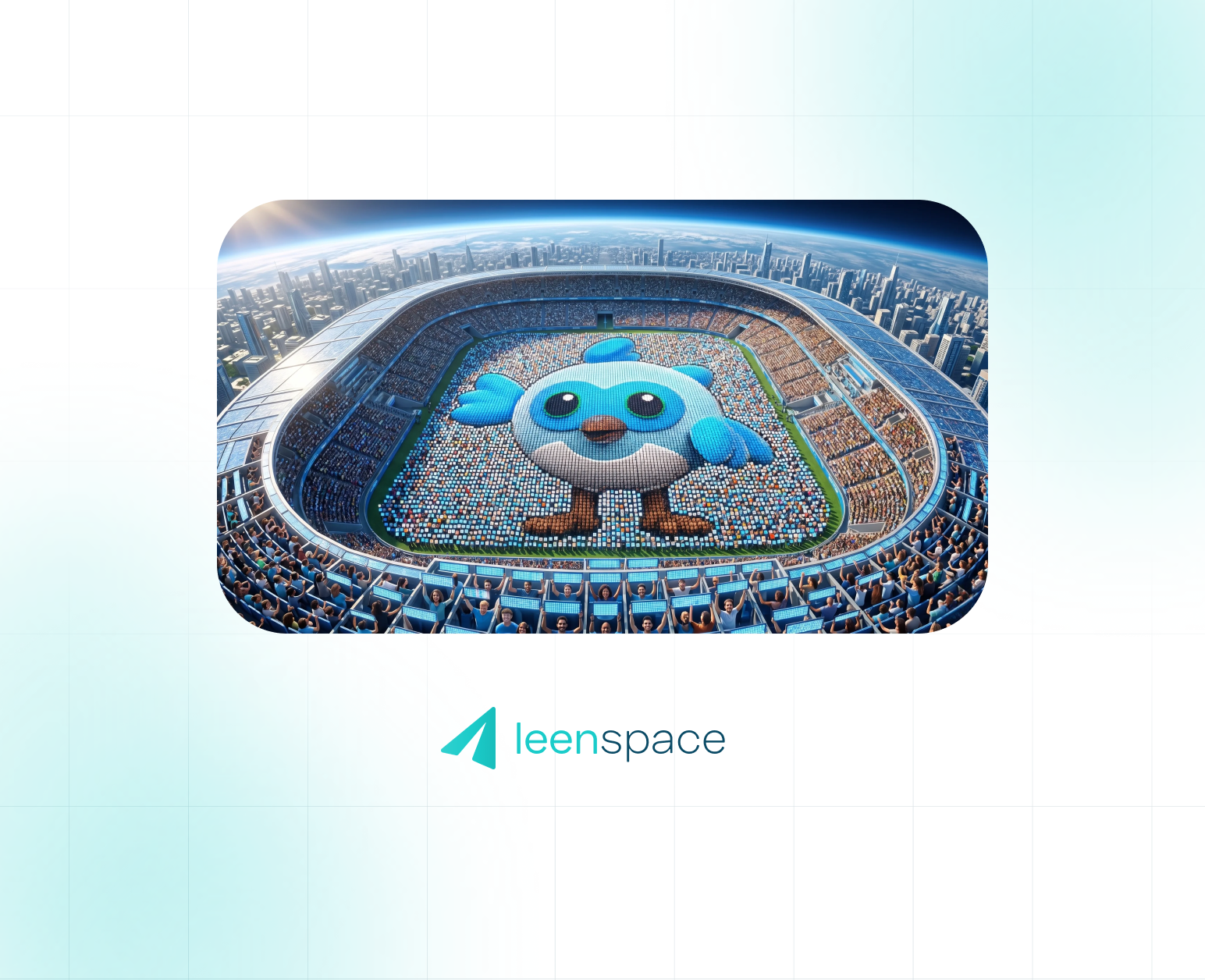
The nightmare scenario for any CTO is the "Big Bang Rewrite." Stopping all feature development for 12 months to rewrite legacy native iOS and Android apps in Flutter is rarely a viable business strategy. It carries immense risk, frustrates stakeholders, and usually results in a "Version 2.0" that—at launch—has fewer features and more bugs than the original.
The good news? You don't have to burn the house down to remodel the kitchen.
The Strategy: The Strangler Fig Migration
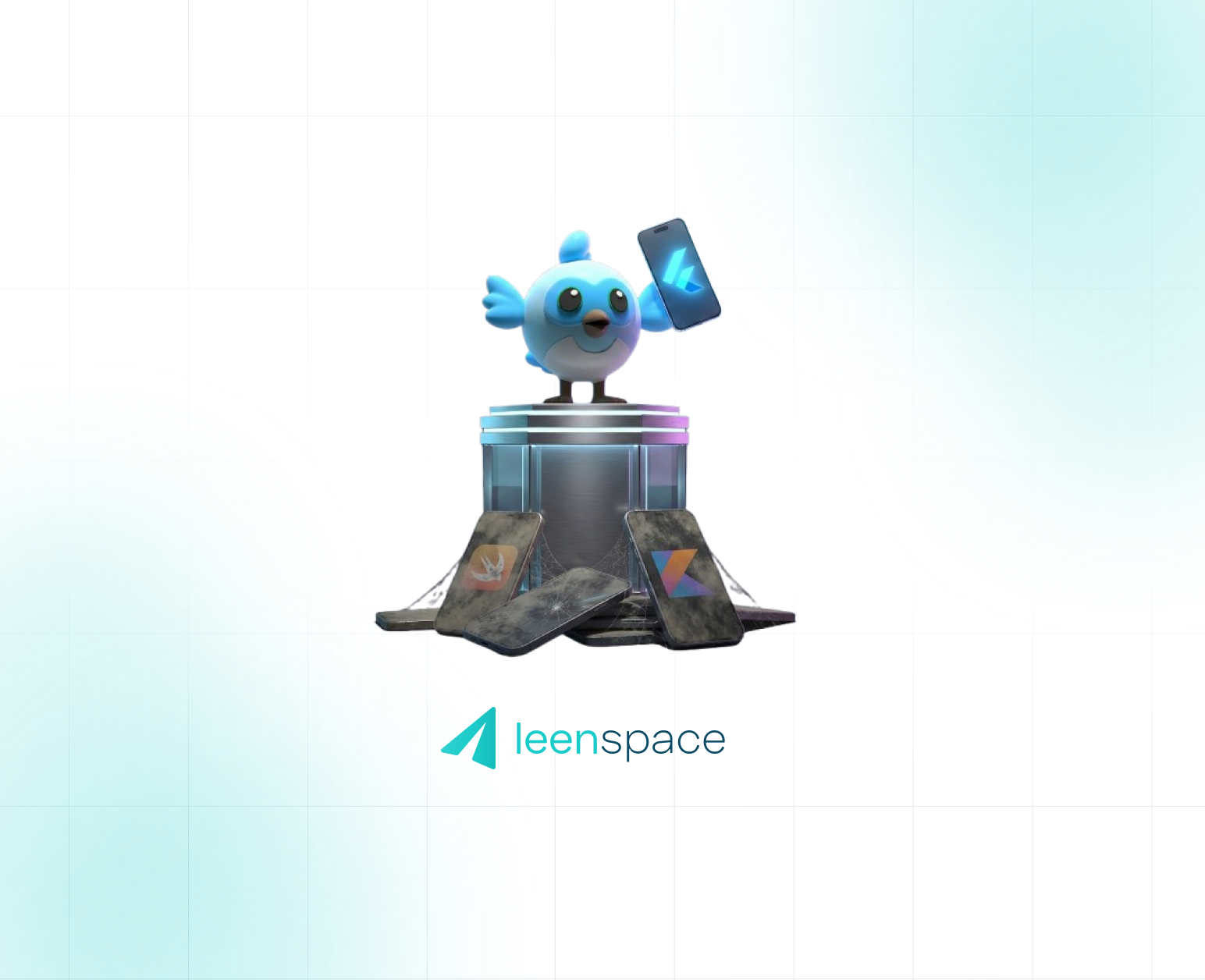
Named after the plant that grows around a host tree until it eventually replaces it, the Strangler Fig approach allows you to integrate Flutter screens into your existing native applications seamlessly using Flutter’s Add-to-App capability.
Where to Start?
Instead of replacing the core engine, identify an isolated module for your "Pilot Program." Ideal candidates include:
- Support/Help Centers: Low-risk, high-text content.
- User Profile or Settings: Self-contained data structures.
- New Feature Flows: Build the future in Flutter while the past lives in Swift/Kotlin.
- Onboarding Sequences: A great way to test "first-impression" performance.
CTO Tip: Use the pilot phase to establish your CI/CD pipelines. It’s better to find out your Jenkins setup hates Dart now, rather than three days before a major release.
The Technical Bridge: Beyond the "Black Box"
The biggest concern in a hybrid app is communication: How does the Flutter "island" talk to the native "continent"?
Move Over, MethodChannels
While raw MethodChannels work, they are essentially "string-ly typed" and brittle. If a dev renames a key in Swift but forgets to update it in Dart, the app crashes at runtime.
At Leenspace, we advocate for Pigeon. Pigeon is a code-generation tool that creates type-safe interfaces between Flutter and native platforms. It ensures that if you send a User object from Flutter, the Swift and Kotlin sides receive exactly that structure—validated at compile-time.
Managing the "Weight"
A common pushback from stakeholders is bundle size. Adding the Flutter engine adds roughly 4MB to 9MB to your IPA/APK. For most modern apps, this is a negligible trade-off for doubling your development velocity, but it’s a metric you should track from Phase 1.
The 4-Phase Roadmap
The Business Case: Killing "Double Debt"
The ultimate value of this migration isn't just technical—it's organizational.
- Stop the Bleeding: You immediately stop accumulating "double debt" (writing the same logic twice in Swift and Kotlin).
- Unified Talent Pool: Your hiring pipeline simplifies. You no longer need to balance two separate mobile teams with different velocities.
- Hot Reload for Native: Your developers will be significantly happier. The ability to see UI changes in sub-seconds (Hot Reload) rather than waiting for 3-minute Gradle builds is a massive boost to morale and output.
The Bottom Line
Flutter isn't an all-or-nothing bet. It’s a tool you can sharpen while you use it. By adopting incrementally, you de-risk the technology shift while maintaining the "business as usual" pace your stakeholders demand.